



POULTRYINDONESIA, Jakarta – Statistics Indonesia (BPS) recorded a national monthly inflation rate of 0.41 percent in March 2026, marked by an increase in the Consumer Price Index (CPI) from 110.57 in February to 110.95. Rising prices in the food and transportation sectors were the main drivers behind this figure.
Deputy for Distribution and Services at Statistics Indonesia (BPS), Ateng Hartono, revealed that this month’s inflation was mainly driven by the food, beverages, and tobacco category.
“The food, beverages, and tobacco group recorded inflation of 0.7 percent and contributed the largest share, at 0.32 percent, to the March inflation,” he said in a BPS release received on Wednesday (April 1, 2026).
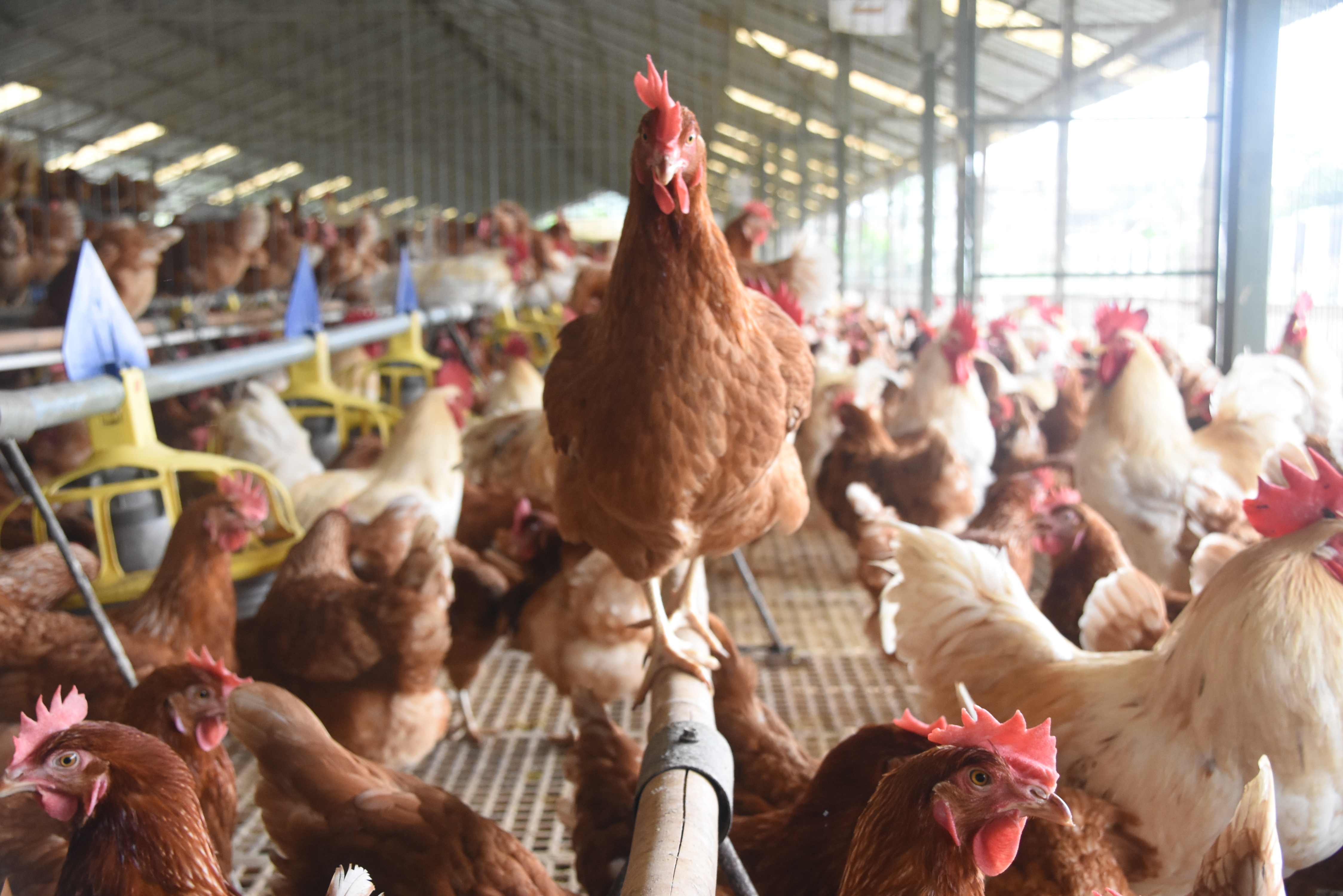
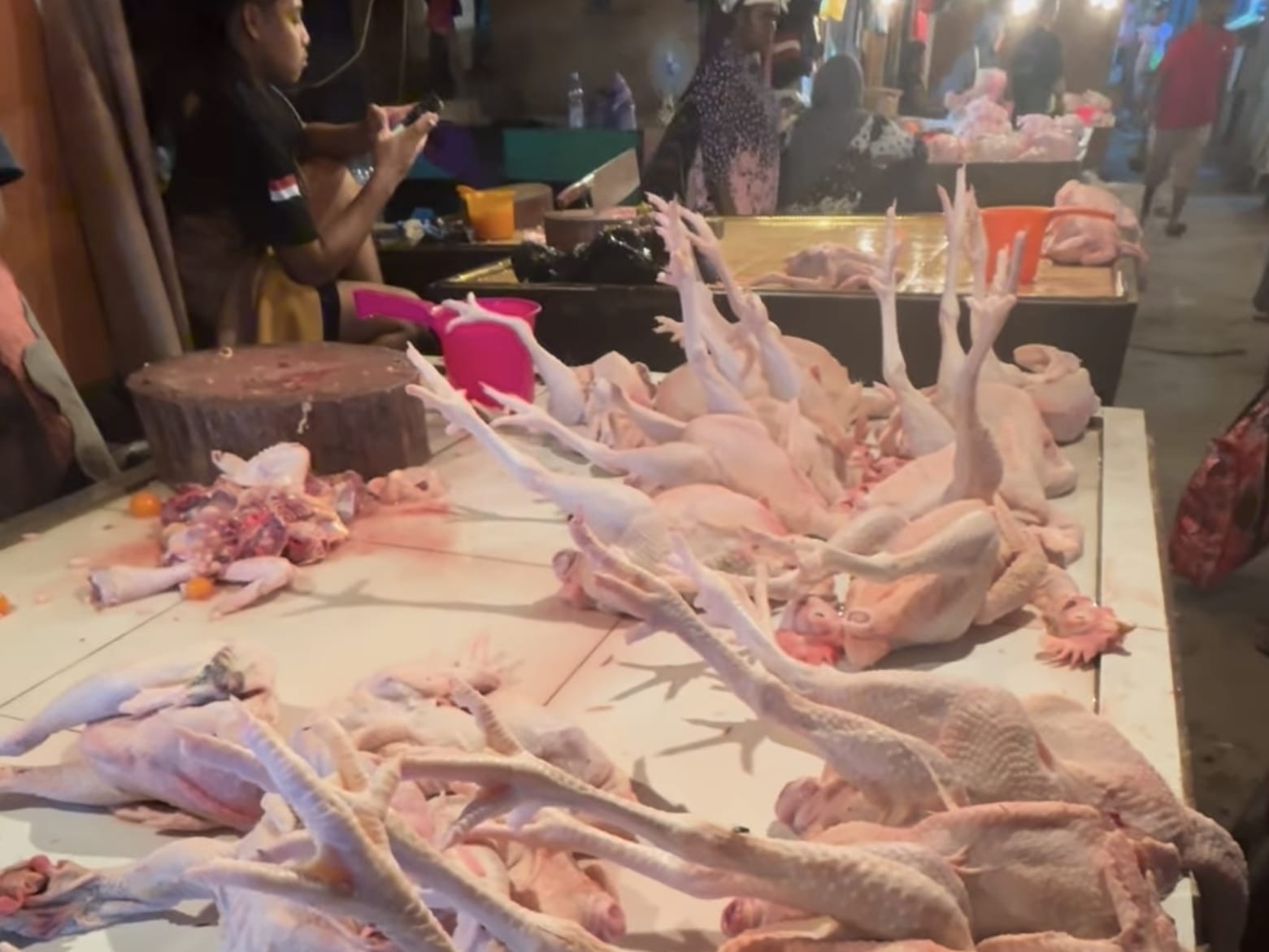
Within this group, fresh fish and broiler chicken each contributed 0.06 percent to inflation. Rice followed with a contribution of 0.03 percent, while chicken eggs, bird’s eye chili, cooking oil, and beef each contributed 0.02 percent.
In Jakarta, broiler chicken even ranked as the top contributor to inflation. Head of BPS DKI Jakarta, Kadarmanto, stated that broiler chicken recorded an inflation rate of 6.48 percent.
“The highest contributor to inflation in Jakarta was broiler chicken, with inflation of 6.48 percent and a contribution of 0.08 percent to the city’s monthly inflation,” he said.
The transportation sector also came under the spotlight. Gasoline contributed 0.04 percent to national inflation and 0.06 percent in Jakarta, with an inflation rate of 1.27 percent.
“Gasoline and intercity transportation fares also drove inflation from the transportation side, reflecting increased public mobility,” Kadarmanto explained.
The volatile food component recorded the highest inflation at 1.58 percent, contributing 0.27 percent. Broiler chicken, rice, chicken eggs, bird’s eye chili, and beef were the most influential commodities in this component.
Meanwhile, core inflation stood at 0.13 percent with a contribution of 0.08 percent, mainly driven by cooking oil and prepared meals (rice with side dishes). The administered prices component recorded inflation of 0.31 percent, contributing 0.06 percent, driven by increases in gasoline prices, intercity transport fares, and machine-rolled kretek cigarettes (SKM).
On the other hand, several commodities experienced price declines that helped curb further inflation. Air transport fares recorded a deflation of 4.58 percent, contributing 0.05 percent in Jakarta. Nationally, air transport and gold jewelry each contributed 0.03 percent to deflation.
“The decline in airfares and gold jewelry prices significantly helped contain inflation this month,” said Ateng.
In addition to air transport, railway fares, mobile phone tariffs, masks, and toll road tariffs also recorded deflation, although with relatively small contributions.
Geographically, inflation in March 2026 occurred in 34 out of 38 provinces in Indonesia, while four provinces experienced deflation. The highest inflation was recorded in Highland Papua at 2.57 percent, while the deepest deflation occurred in Maluku at 0.75 percent.
Get more information about the poultry industry in Indonesia by joining our Poultry Indonesia WhatsApp Channel Poultry Indonesia.